
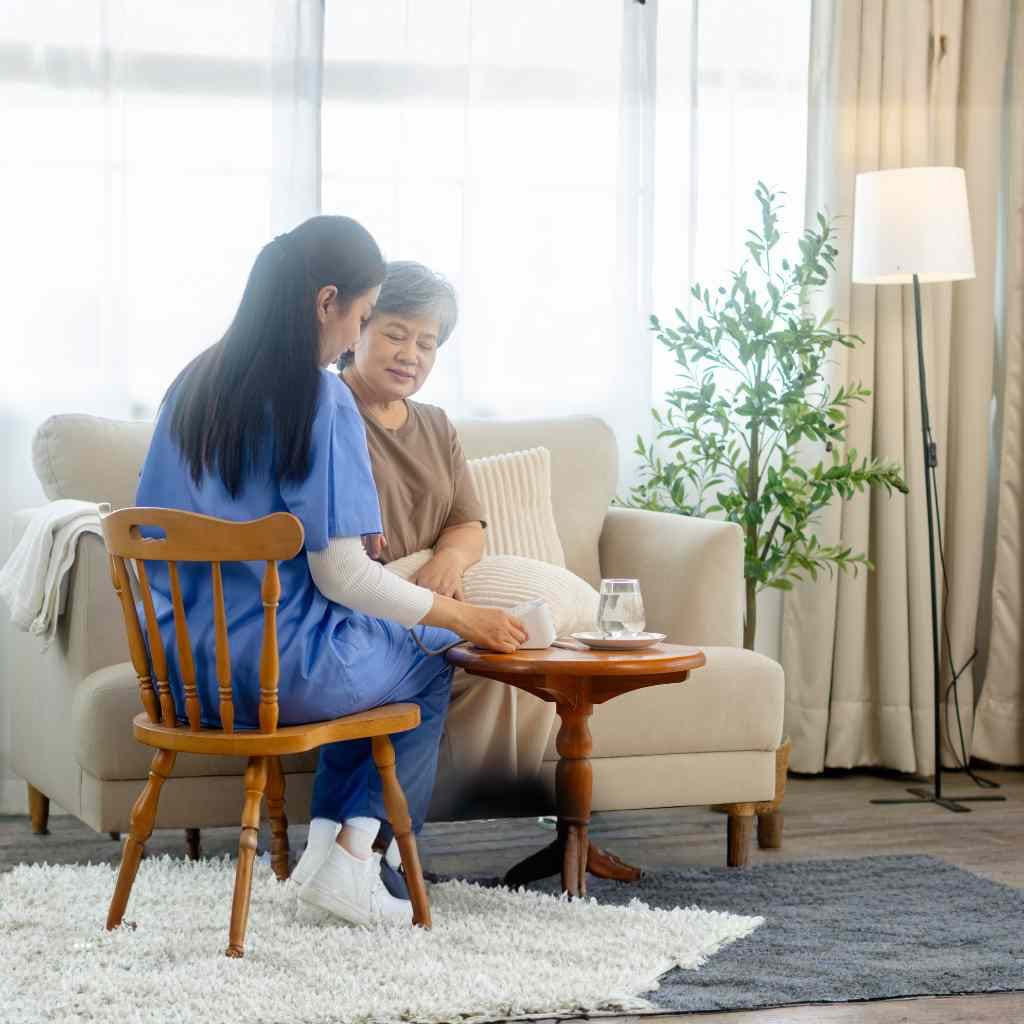
As parents and loved ones grow older, their needs do not change overnight. It often starts with small things like forgetting routines, needing help with movement, or struggling with daily tasks.
Over time, these small changes can become consistent patterns. This is where families begin to question whether more structured care is needed. Understanding when long term home care for elderly becomes the right choice helps avoid stress later and ensures better care early on.
Key Takeaways
- Care needs increase gradually, not suddenly.
- Repeated daily challenges are early indicators.
- Long-term care supports ongoing conditions.
- Home care allows seniors to stay comfortable.
- Early planning reduces caregiver stress.
Tip:If your loved one needs help with daily tasks multiple times weekly, track patterns for 10–14 days to identify whether consistent long-term support is needed.
Early Signs That Ongoing Home Care for Elderly Is Needed
Many families ignore early signs because they seem small or temporary. However, the key is not the size of the issue, but how often it happens.
For example, if a senior forgets medication once, it may not be serious. But if it happens repeatedly, it becomes a concern. The same applies to mobility, hygiene, and daily routines.
Common signs include:
- Difficulty managing personal hygiene.
- Frequent forgetfulness.
- Reduced mobility or balance issues.
- Trouble preparing meals.
- Increased dependence on others.
These patterns show that occasional help may no longer be enough.
How Long Duration Senior Care at Home Differs from Short-Term Support
Short-term care is usually temporary. It helps during recovery from surgery, illness, or injury.
Long-term care, on the other hand, is designed for ongoing needs. It supports seniors who require consistent help with daily living.
The difference is simple:
- Short-term care = recovery-focused
- Long-term care = ongoing support
If care needs continue for weeks or months without improvement, it usually means the situation is not temporary.
This clarity helps families avoid delaying important decisions.
Conditions That Often Require Continuous Care for Seniors at Home
Not every situation requires long-term care, but certain conditions commonly lead to ongoing support needs.
These include:
- Chronic illnesses like arthritis or diabetes
- Memory-related conditions such as dementia
- Mobility limitations
- Recovery that does not fully restore independence
In Canada, a large percentage of seniors live with at least one chronic condition. This makes continuous care a practical and supportive solution rather than an extreme step.
The goal is not to replace independence, but to support it where needed.
What Extended Care Support at Home Includes
Long-term home care is not just about medical help. It focuses on daily life support that keeps seniors safe and comfortable.
Daily Living Assistance and Routine Support
This includes:
- Help with bathing and hygiene
- Meal preparation
- Dressing and mobility support
Health Monitoring and Safety Support
Caregivers also:
- Observe changes in health
- Help prevent falls
- Ensure medications are taken properly
Care is flexible. It adjusts based on how much support is needed.
Full Time Home Care for Elderly and Maintaining Independence
A common concern is that full-time care might reduce independence. In reality, it often does the opposite.
When seniors receive support where needed, they are able to focus on what they can still do. This creates a balance between safety and independence.
For example:
- Assistance with walking prevents falls.
- Help with meals ensures proper nutrition.
- Supervision provides peace of mind.
This approach allows seniors to stay active within their abilities.
Long Term Assisted Living vs Long Term Home Care for Elderly
Families often compare assisted living with home care before making a decision.
Comfort and Familiarity at Home
Home care allows seniors to:
- Stay in their own environment
- Maintain routines
- Feel emotionally secure
Structured Support in Assisted Living
Assisted living offers:
- Fixed schedules
- Community-based living
- Centralized care
Both options have value. The right choice depends on comfort, needs, and personal preference.
Long Term Care Support Options for Families in Calgary
Families in Calgary have access to a range of home care services that support long-term needs.
Many families prefer home care because it allows seniors to remain in familiar surroundings while receiving help.
When choosing support, it is helpful to consider:
- Flexibility of care plans.
- Experience of caregivers.
- Communication and reliability.
Truly HomeCare Services provide structured yet flexible support that adapts to each family’s needs without disrupting daily life.
When Should You Choose Long Term Home Care for Elderly?
The right time is not based on a single event. It is based on patterns.
If caregiving starts affecting your daily routine, energy, or consistency, it is a strong signal that additional support is needed.
Other signs include:
- Care needs happening daily.
- Increased safety concerns.
- Physical or emotional strain on caregivers.
Starting early helps families adjust smoothly instead of reacting in stressful situations.
Conclusion
Choosing long term home care for elderly is not about replacing family care. It is about supporting it in a sustainable way.
With the right balance of support, seniors can stay comfortable, safe, and independent in their own homes. Families can also feel more confident knowing their loved one is receiving consistent care.
If you are exploring options, learning more about Long term home care can help you take the next step with clarity and confidence.
FAQs
How Much Does Long Term Home Care Cost In Calgary?
Costs can vary depending on the level of care needed, number of hours, and type of support. Some families start with part-time care and gradually increase it, making it more manageable over time.
Can Long Term Home Care Be Started Part Time First?
Yes, many families begin with a few hours per day or week. This helps seniors adjust comfortably and allows families to evaluate what level of care works best.
Do Caregivers Stay Overnight For Long Term Care?
Overnight care is available when needed, especially for seniors with safety concerns or sleep-related issues. This ensures continuous monitoring and peace of mind.
Is Long Term Home Care Only For Serious Health Conditions?
No, it is also helpful for seniors who need assistance with daily routines, mobility, or safety. It supports both medical and non-medical needs.
How Do Seniors Usually Adjust To Long Term Care At Home?
Adjustment is usually gradual. When care is introduced gently and respectfully, most seniors become comfortable and feel more secure over time.
Can Family Members Still Be Involved In Care?
Yes, professional care supports families, not replaces them. Family members can stay involved while reducing their physical and emotional workload.