
Many families first notice hydration problems through small daily clues. A water glass stays untouched. Lips look dry. Urine looks darker. An elderly parent says, I am not thirsty, even after many hours without drinking.
These small signs can matter. Dehydration in seniors can build quietly, especially when an older adult lives at home and depends on family for reminders, meals, mobility, or daily care.
Older adults are more vulnerable because the body’s fluid reserve becomes smaller with age, the sense of thirst can become weaker, and some medicines or health conditions can increase fluid loss. Mayo Clinic notes that older adults are at higher risk for these reasons.
This guide explains what Calgary families should watch for, what can help, and how in-home personal care can support daily hydration before the situation becomes more serious.
Key Takeaways
- Seniors may drink less because they do not feel thirsty.
- Dry mouth, dizziness, tiredness, confusion, and dark urine can be warning signs.
- Hydration can come from drinks and water-rich foods.
- Gentle routines often work better than repeated pressure.
- Personal care can support reminders, drink preparation, meals, mobility, and monitoring.
Tip: Keep water within reach and offer small drinks with meals, medication, and bathroom breaks. Small routines often work better than pressure.
Why Seniors May Not Drink Enough Water
Low water intake is not always refusal. Many older adults simply do not feel thirsty the same way younger people do.
Some seniors also avoid drinking because they worry about frequent bathroom trips, especially at night. Others may have mobility issues, memory changes, swallowing concerns, poor appetite, or medicines that affect urination.
This is why dehydration in seniors is often connected to the full daily routine, not only the water glass. If getting up is painful, the bathroom feels far, or drinks are not nearby, fluid intake can drop without anyone noticing.
Families should also consider weather. During warm Calgary days, illness, sweating, fever, vomiting, or diarrhea can increase fluid loss. Mayo Clinic lists illnesses, sweating, and some medicines such as diuretics as common causes of dehydration.
Causes of Dehydration in Elderly Adults at Home
The causes of dehydration in elderly adults are often small and layered. One issue alone may not seem serious, but several together can create risk.
Common causes include:
- Not feeling thirsty
- Forgetting to drink
- Drinks being out of reach
- Limited mobility
- Fear of bathroom trips
- Fever, sweating, vomiting, or diarrhea
- Poor appetite
- Certain medicines
- Diabetes, kidney, heart, or other health conditions
Families sometimes blame themselves, but hydration problems are not always caused by one mistake. A senior may need support with routines, reminders, toileting, and meal timing before fluid intake becomes steady.
This is also why families should be careful with sudden changes. If a parent who normally drinks well suddenly stops, becomes weak, or seems confused, it is worth checking with a healthcare provider.
Signs of Dehydration in Elderly Loved Ones
The signs of dehydration in elderly loved ones can be subtle. They may look like normal aging, tiredness, or a bad day.
NHS Inform lists common dehydration symptoms such as dark yellow strong-smelling urine, urinating less often, dizziness, headache, tiredness, dry mouth, dry lips, and dry eyes. It also advises urgent medical advice for confusion, dizziness that does not quickly pass, fast heart rate, or symptoms that continue after drinking fluids.
Physical Warning Signs
Physical signs may include dry mouth, dry lips, headache, dizziness, weakness, low energy, or darker urine.
Some seniors may feel lightheaded when standing. Others may become unusually sleepy or less active than normal.
Mood and Confusion Changes
The symptoms of dehydration in elderly adults can also affect thinking and mood. A senior may seem more confused, irritable, restless, or less alert.
This can be easy to misread as dementia, aging, or stubbornness. But if the change is sudden, hydration should be one of the things families consider.
Bathroom and Routine Clues
Bathroom habits can offer useful clues. Fewer bathroom visits, stronger urine smell, constipation, or unfinished drinks may suggest low fluid intake.
Families do not need to panic over one sign. But a pattern of several signs should be taken seriously.
When Does Dehydration Become Serious?
Mild dehydration may improve with regular fluids, but some situations need medical advice.
MyHealth Alberta says severe dehydration is a medical emergency. Warning signs include passing little or no urine for 12 or more hours, being too weak or dizzy to stand, not feeling alert, or passing out. It advises calling 911 for severe dehydration.
Families should seek medical advice quickly if an elderly parent has:
- Worsening confusion
- Fainting or near fainting
- Very little urination
- Severe weakness
- Fast heartbeat
- Repeated vomiting or diarrhea
- Symptoms that do not improve after fluids
Alberta Health Services also offers Health Link 811, a free 24/7 phone service for health advice and general health information for Albertans. This can help Calgary families decide what step to take when they are unsure.
A light but important data point: research on older adults has found dehydration is common in hospital settings, with one review noting that 37% of older adults in a hospital admission study were dehydrated at admission. In simple terms, dehydration is not rare in older adults and should not be ignored.
Hydrating Drinks for Elderly Adults and Daily Food Support
Some seniors dislike plain water. Others only take a few sips at a time. That does not mean families are stuck.
Hydrating drinks for elderly adults may include water, milk, herbal tea, diluted juice, smoothies, soup, or oral rehydration drinks when recommended by a healthcare provider.
Drinks Beyond Plain Water
Plain water is useful, but it is not the only option. Some older adults drink more when fluids are warm, lightly flavored, or offered in smaller amounts.
For example, a favorite cup, a small glass with meals, or fruit-infused water may feel less overwhelming than a large bottle.
Water-Rich Foods
Food can also support hydration. Mayo Clinic Health System explains that about 20% of daily liquid intake comes from food, with the rest from drinks. It also recommends connecting water with routines such as meals, brushing teeth, or bathroom use.
Water-rich foods can include soup, yogurt, cucumbers, watermelon, oranges, celery, tomatoes, and soft fruits. UT Southwestern notes that cucumber is about 96% water, tomato about 94%, celery about 95%, and watermelon about 92%.
Families should be careful if a senior has heart, kidney, liver, or fluid-restricted conditions. MyHealth Alberta advises speaking with a doctor before increasing fluids if someone has a condition that requires fluid limits.
Preventing Dehydration in Elderly Through Simple Routines
Preventing dehydration in elderly adults is often easier when families build hydration into normal routines instead of turning every sip into an argument.
Many seniors respond better to gentle structure than repeated reminders.
Helpful routines include:
- Offer small drinks often
- Keep water within reach
- Pair fluids with meals and snacks
- Offer a drink with medication, if appropriate
- Use a favorite cup or straw
- Add soups or water-rich foods
- Track intake for a few days
- Watch urine color and bathroom habits
The goal is not to force large amounts at once. Small, regular sips are often more realistic.
It also helps to notice what time of day is hardest. Some seniors drink better in the morning. Others need more support in the evening when tiredness, confusion, or bathroom worries increase.
How In-Home Personal Care Supports Hydration
Hydration may seem like a small issue, but it connects with many parts of daily care. Meals, medication, mobility, toileting, memory, and safety can all affect whether a senior drinks enough.
This is where in-home support can help. Dehydration in seniors is easier to manage when someone is regularly checking routines, offering fluids, and noticing changes before they become urgent.
Gentle Reminders and Drink Preparation
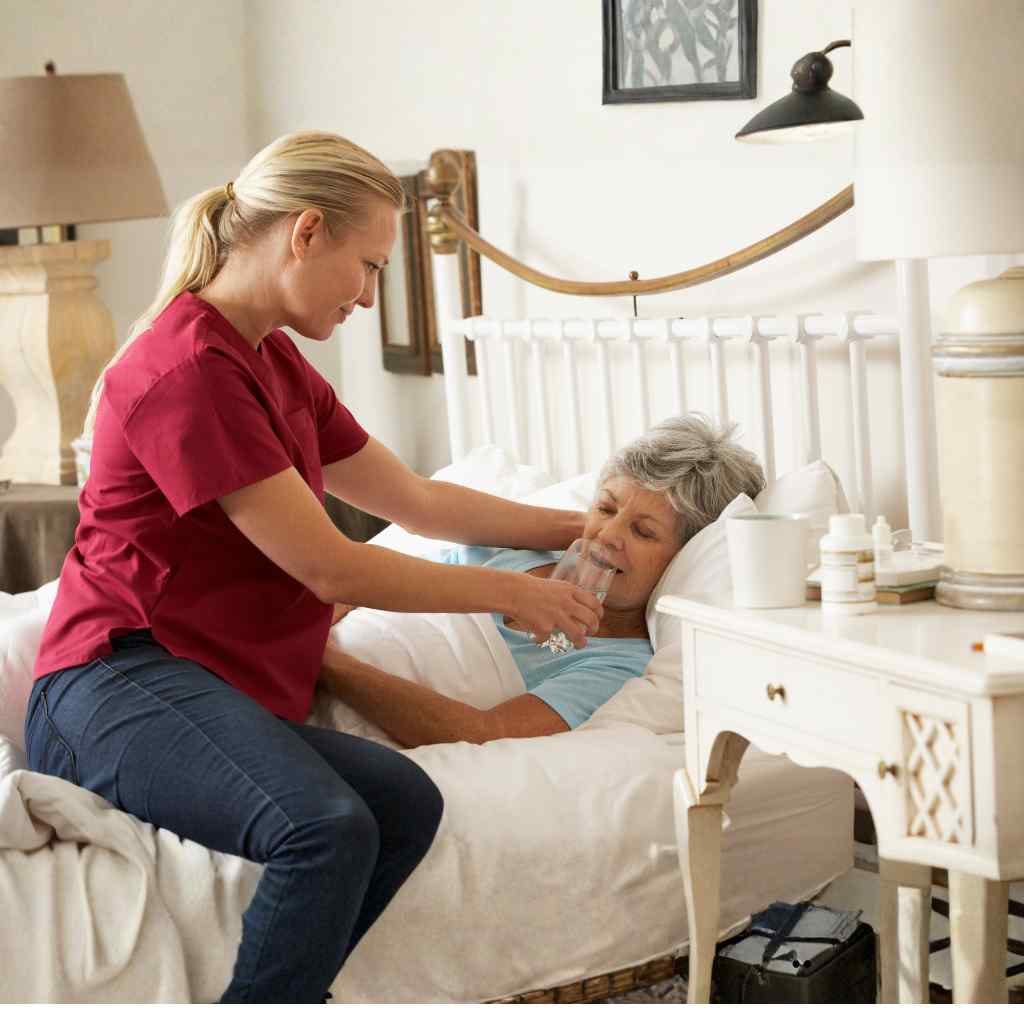
A caregiver can offer fluids at regular times, prepare preferred drinks, and make hydration part of meals and daily routines.
This can feel calmer than family members repeatedly reminding a parent, especially if reminders often lead to tension.
Support With Mobility and Toileting
Some seniors avoid fluids because they worry about getting to the bathroom. Personal care support can help with safe movement, toileting routines, and comfort.
When bathroom support feels safer, a senior may be less likely to avoid drinking.
Watching for Small Changes
Caregivers can notice dry mouth, unfinished drinks, reduced bathroom visits, weakness, confusion, or appetite changes.
Families exploring Personal care can use this support to help with daily routines while keeping loved ones comfortable at home. Truly Homecare Services is one Calgary option families may consider when hydration concerns are connected to personal care and everyday support.
Calgary Support Before Hydration Becomes an Emergency
Calgary families do not need to wait until dehydration becomes a medical emergency before creating support.
If your parent is forgetting to drink, avoiding fluids because of bathroom concerns, showing early warning signs, or needing more help with meals and movement, it may be time to build a safer daily routine.
A practical first step is to track three things for a few days:
- How often drinks are offered
- How much is actually finished
- Any changes in mood, urine, energy, or bathroom habits
This information can help when speaking with a doctor, pharmacist, 811, or a home care provider.
Support works best when it solves the real barrier. If the issue is memory, reminders may help. If the issue is mobility, toileting support may matter more. If the issue is poor appetite, meals and water-rich foods may be part of the answer.
Conclusion
Hydration problems in older adults should not be dismissed as simple stubbornness or normal aging. Dry mouth, dizziness, confusion, weakness, dark urine, fewer bathroom visits, and low energy can all be signs worth watching.
The best approach is usually simple and steady: keep drinks visible, offer small amounts often, add water-rich foods, track changes, and ask for medical advice when symptoms appear.
Managing dehydration in seniors is not only about drinking more water. It is about understanding the daily barriers that make hydration harder and creating support before a small concern becomes a serious problem.
FAQs
Can Dehydration Cause Sudden Confusion In Seniors?
Yes, dehydration can sometimes contribute to sudden confusion, reduced alertness, or unusual behavior in older adults. Because confusion can also have other medical causes, families should treat sudden changes seriously and contact a healthcare provider or Health Link 811 for guidance.
Should Seniors Drink More Water During Calgary Summers?
Yes, warm weather can increase fluid loss through sweating, especially if a senior spends time outdoors or lives in a warm home. Families should offer fluids more often during hot days, unless the senior has been told by a doctor to limit fluids.
Are Electrolyte Drinks Safe For Elderly Parents?
Electrolyte drinks may help in some situations, especially after fluid loss from vomiting, diarrhea, or sweating. However, seniors with kidney, heart, diabetes, or blood pressure concerns should ask a doctor or pharmacist before using them regularly.
Can Medication Make Dehydration Worse In Older Adults?
Yes, some medicines can increase urination or affect fluid balance. Diuretics, some blood pressure medicines, laxatives, and certain illness-related medicines may increase risk, so families should review concerns with a pharmacist or doctor.
What Is The Best Way To Track A Senior’s Fluid Intake?
A simple paper chart often works well. Write down the time, type of drink, and approximate amount finished, then watch for patterns such as low intake in the evening, fewer bathroom visits, or repeated unfinished drinks.
When Should I Stop Home Hydration Efforts And Seek Help?
Seek help quickly if there is fainting, severe weakness, confusion, very little urination, rapid decline, or inability to keep fluids down. Home routines are helpful for prevention, but serious symptoms need medical guidance.