In 2007 a Prince market research stated:
“Senior citizens fear losing their independence more than they fear death”
The declaration of this sentence itself manifest’s the importance of senior’s independence. We all strive hard and enjoy independence, regardless of our age. Seniors are often able to live independently with little or no assistance.
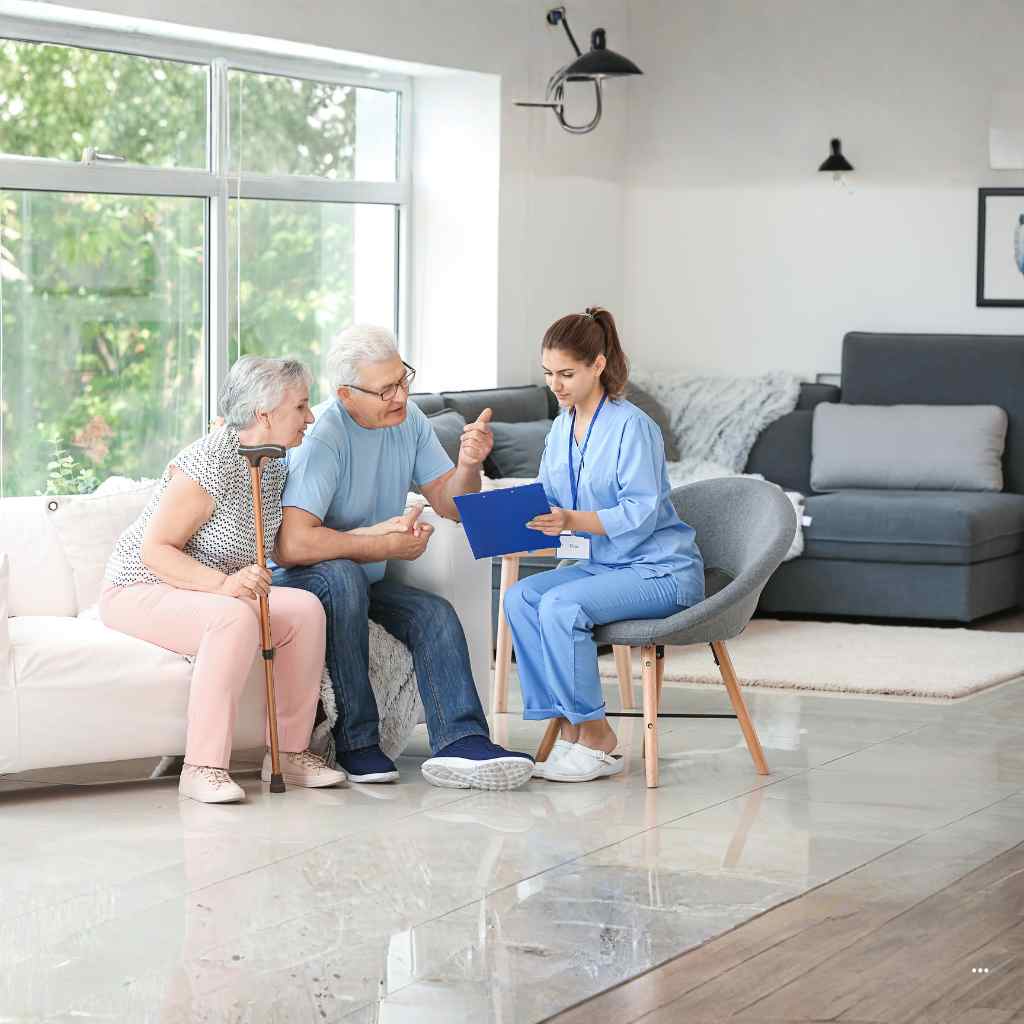
However, some senior adults require assistance due to physical or mental limitations caused by aging. When an older person loses their ability to be fully independent, it does not imply that their desire to be independent has ended. Within that scenario, independence is a balance of seeking assistance and being supported to do things independently while maintaining good communication between the elderly and those who care for them.
What is the significance of independence?
Older people maintain independence benefits in a variety of ways. It can improve their health and quality of life, confidence, self-esteem, a sense of purpose and quality of life. It can make them feel useful, which is especially important if they are afraid of being a burden to their loved ones. Attempting to give someone the freedom to do one thing can increase their self-esteem and spread to other areas of their life.
Why do seniors require independence?
The absence of importance for the senior’s independence can be depressing for older people. They’ve spent all their lives living on their own, having to work, raising a family, and making decisions. The natural effects of aging can make independent living more complicated than it used to be. Mobility issues, behavioural health conditions such as isolation and loneliness, and financial strains are just a few of the factors that contribute to aging adults’ loss of independence.
While some barriers to independence cannot be avoided, we can try to comprehend the value of freedom in seniors and seek ways to increase opportunities for individual living. The following advantages are expected outcomes of senior independence and exemplify how critical it is to empower seniors to live independent lives. For seniors, freedom is essential in two ways. Independence may be the only thing seniors believe they have control over as certain aspects of their lives change with age.
Maintaining independence fosters a sense of accomplishment, which for many seniors generates a strong sense of independence and being well. For starters:
Feeling like a person
The ability to make decisions throughout the day has a significant impact on how you perceive yourself. When you no longer have control over the decisions in your life, you may feel less of a person. Older adults have spent their entire lives developing their own personalities and perceptions. They will not feel like themselves if they are unable to express themselves. These emotions can result in depression, rage, or negative actions, which is harmful to both the senior and their primary caretaker.
Ascertain that you or your loved one can maintain their self-worth in the environment in which they live. They should personalize their space with photographs and items that reflect their interests and passions. It is also advantageous for them to make choices in their daily lives, such as the clothes they wear and the food they eat.
Sense of Purpose
Isolation can result from a loss of independence. Isolated seniors frequently experience feelings of hopelessness and depression, and the negative effects on their mental health can reduce their quality of life. Self-sufficient seniors have a sense of purpose. They have opportunities for advancement, can make a difference in their relatives, friends, and neighbor’s, and can continue to participate in activities they have always endeavored.
The ability to set and achieve goals, no matter how small, has a significant impact. Independence enables older adults to face and overcome the unique challenges of aging. Even if a senior’s mobility is constricted, they could still feel purpose by participating in voluntary work.
Memory
In certain older adults, the implications of independent living can contribute to better health. Increased memory capabilities are one example, and they are an important factor in leading a fulfilling life. Memory loss occurs gradually as we age, but independence and activity improve learning ability. Higher levels of activity increase blood flow to the brain and using the mind often aids in memory preservation. Daily routines aid in the development of both memory and independence.
Conclusion
Maintaining senior independence requires ongoing involvement, understanding, and the right balance of support. While assisting seniors, it is important not to take over all of their responsibilities. Instead, a method known as interactive caregiving encourages seniors to stay involved in daily routines based on their abilities.
Many families partner with trusted home care providers to apply interactive caregiving in a safe and respectful way while supporting senior independence at home. This approach helps older adults remain confident, engaged, and valued in their everyday lives.
FAQs
Why is independence important for elderly people?
Independence helps seniors maintain dignity, confidence, and a sense of control over their lives. It supports better mental health, reduces feelings of helplessness, and allows older adults to stay engaged in daily routines that give their life meaning.
What are the main benefits of promoting independence in seniors?
Promoting independence improves self-esteem, emotional well-being, memory, and physical activity. It also reduces depression and loneliness while helping seniors feel useful rather than dependent on others.
Why is independence important in aged care and home care settings?
Independence in aged care ensures seniors are involved in decisions about their daily life, routines, and preferences. This leads to better cooperation, trust, and overall quality of care while preserving their sense of identity.
How can families encourage independence without risking safety?
Families can support independence by allowing seniors to do tasks within their ability, offering guidance instead of taking over, and making small home adjustments for safety. Supervision should support, not replace, their abilities.
What is the best way to promote independence in older adults at home
The best approach is interactive caregiving. This means involving seniors in daily activities like choosing meals, managing simple routines, and making personal decisions while providing help only when needed.
Does independence help with memory and mental health in seniors?
Yes. Staying mentally and physically active helps improve blood flow to the brain and supports memory. Independence encourages routine, engagement, and purpose, all of which positively impact mental health.