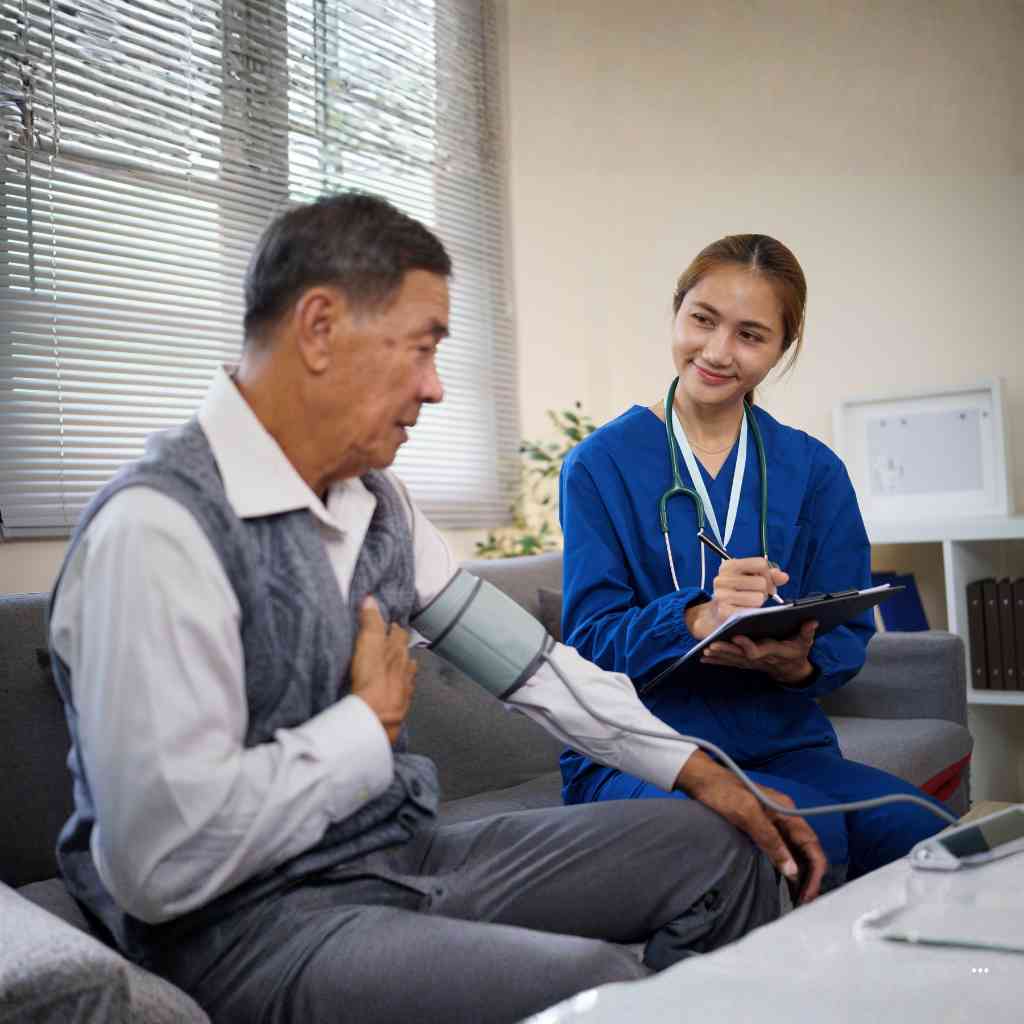
Surgery can be a life-changing event for seniors, and ensuring proper care before and after the procedure is crucial to achieving the best outcomes. In Calgary, where the senior population is steadily growing, tailored pre- and post-operative care can significantly enhance recovery and overall well-being. At Truly HomeCare Services, we specialise in providing compassionate, personalised support for seniors undergoing surgery, recognising the unique challenges they face during this critical time.
This comprehensive guide explores the special considerations for seniors in Calgary, highlighting how to prepare for surgery, manage recovery, and access local resources.
Why Pre- and Post-Operative Care is Vital for Seniors
As we age, our bodies take longer to heal, and the risks associated with surgery increase. Pre- and post-operative care is essential for seniors to:
- Minimise Risks: Proper preparation and aftercare reduce complications such as infections or delayed healing.
- Enhance Recovery: Tailored care plans ensure seniors regain strength and mobility effectively.
- Provide Emotional Support: Surgery can be daunting, and emotional reassurance is as important as physical care.
Pre-Operative Care for Seniors in Calgary
Preparation is key to a successful surgical outcome. For seniors, this involves addressing physical, emotional, and logistical needs.
1. Comprehensive Medical Assessments
Seniors often have underlying health conditions such as diabetes, heart disease, or arthritis, which can complicate surgery. Pre-operative assessments ensure these conditions are managed effectively.
- Consult with specialists for conditions like diabetes or hypertension.
- Review medications with a doctor to adjust dosages or discontinue non-essential drugs.
2. Nutritional Preparation
A balanced diet strengthens the body before surgery:
- Increase protein intake to promote tissue repair and wound healing.
- Incorporate vitamins and minerals, particularly vitamin C and zinc, to support the immune system.
3. Pre-Surgery Mobility Support
Seniors with mobility challenges should prepare their homes for post-operative needs:
- Remove trip hazards like loose rugs or clutter.
- Install grab bars in bathrooms and along stairways.
- Arrange for mobility aids such as walkers or wheelchairs.
4. Emotional and Mental Preparation
Surgery can cause anxiety for seniors. To ease their concerns:
- Provide clear explanations about the procedure.
- Encourage relaxation techniques, such as deep breathing or meditation.
- Arrange for a loved one or caregiver to accompany them on surgery day.
Post-Operative Care for Seniors in Calgary
The recovery phase is critical for seniors, as their bodies take longer to heal and are more susceptible to complications. Here are the key elements of post-operative care:
1. Pain Management
Effective pain control is essential for a comfortable recovery. Seniors may require:
- Prescription medications adjusted to avoid interactions with existing treatments.
- Non-medication options like heat packs or physical therapy.
2. Wound Care and Infection Prevention
Surgical wounds must be monitored carefully:
- Follow the healthcare provider’s instructions for dressing changes.
- Watch for signs of infection, such as redness, swelling, or fever.
3. Physical Therapy and Mobility
Regaining mobility is crucial for seniors post-surgery:
- Work with a physiotherapist to create a customised exercise plan.
- Start with gentle movements to prevent stiffness and build strength gradually.
4. Nutrition for Recovery
Post-operative nutrition should focus on:
- High-protein foods like lean meats, eggs, and legumes to repair tissues.
- Fibre-rich foods and adequate hydration to prevent constipation caused by medications.
5. Emotional Well-Being
Surgery can lead to feelings of isolation or depression in seniors. To support emotional health:
- Encourage visits from family and friends.
- Provide opportunities for light activities or hobbies they enjoy.
- Seek professional counselling if necessary.
Challenges Seniors May Face During Recovery
Seniors recovering from surgery may encounter unique challenges:
- Cognitive Decline: Post-operative cognitive dysfunction (POCD) is a temporary condition affecting memory and focus. Gentle mental stimulation can help.
- Medication Sensitivity: Seniors may experience stronger side effects from painkillers or antibiotics. Always consult a healthcare provider for adjustments.
- Reduced Mobility: Extended bed rest can lead to muscle weakness or blood clots. Encourage movement, even if minimal, as advised by a doctor.
How Truly Home Care Services Supports Seniors
At Truly HomeCare Services, we understand that seniors require specialised care before and after surgery. Our trained caregivers are equipped to handle every aspect of pre- and post-operative care, ensuring a smooth and stress-free experience for you and your loved ones.
Our Services Include:
Pre-Operative Assistance:
- Coordinating medical appointments and tests.
- Preparing the home for post-surgical needs.
- Providing emotional support to seniors and their families.
Post-Operative Care:
- Medication reminders and administration.
- Wound care and hygiene assistance.
- Mobility support, including transfers and light exercises.
- Nutritious meal preparation to aid recovery.
Why Choose Us?
- Personalised Care Plans: Every senior is unique, and our care plans are tailored to their specific needs.
- Compassionate Caregivers: Our team is trained to handle the physical and emotional complexities of senior care with empathy and professionalism.
- Local Expertise: Based in Calgary, we understand the community’s resources and connect our clients with the best local support systems.
FAQs
What should I do if I have no one to take care of me after surgery?
If you live alone or don’t have family support, professional in-home post-operative care can help with daily tasks, medication reminders, meals, and mobility until you recover safely.
Does insurance or Alberta Health Services cover home care after surgery?
Some post-surgery home care services may be partially funded through Alberta Health Services, depending on medical need and eligibility. Private home care is also an option for additional or flexible support.
Is it safe for seniors to recover at home after surgery?
Yes, many seniors recover better at home when proper support is in place. In-home care helps reduce infection risk, supports mobility, and ensures medications and wound care are managed correctly.
What kind of help is usually needed after surgery at home?
Post-operative care often includes help with bathing, dressing, meal preparation, medication reminders, mobility support, and monitoring for signs of complications.
How long do seniors usually need post-operative care?
Recovery time varies based on the type of surgery and overall health. Some seniors need support for a few days, while others may require several weeks of gradual assistance.
Can I arrange transportation support if I don’t have a ride after surgery?
Yes, post-operative care plans can include help with transportation for follow-up appointments or coordination with medical transport services when needed.