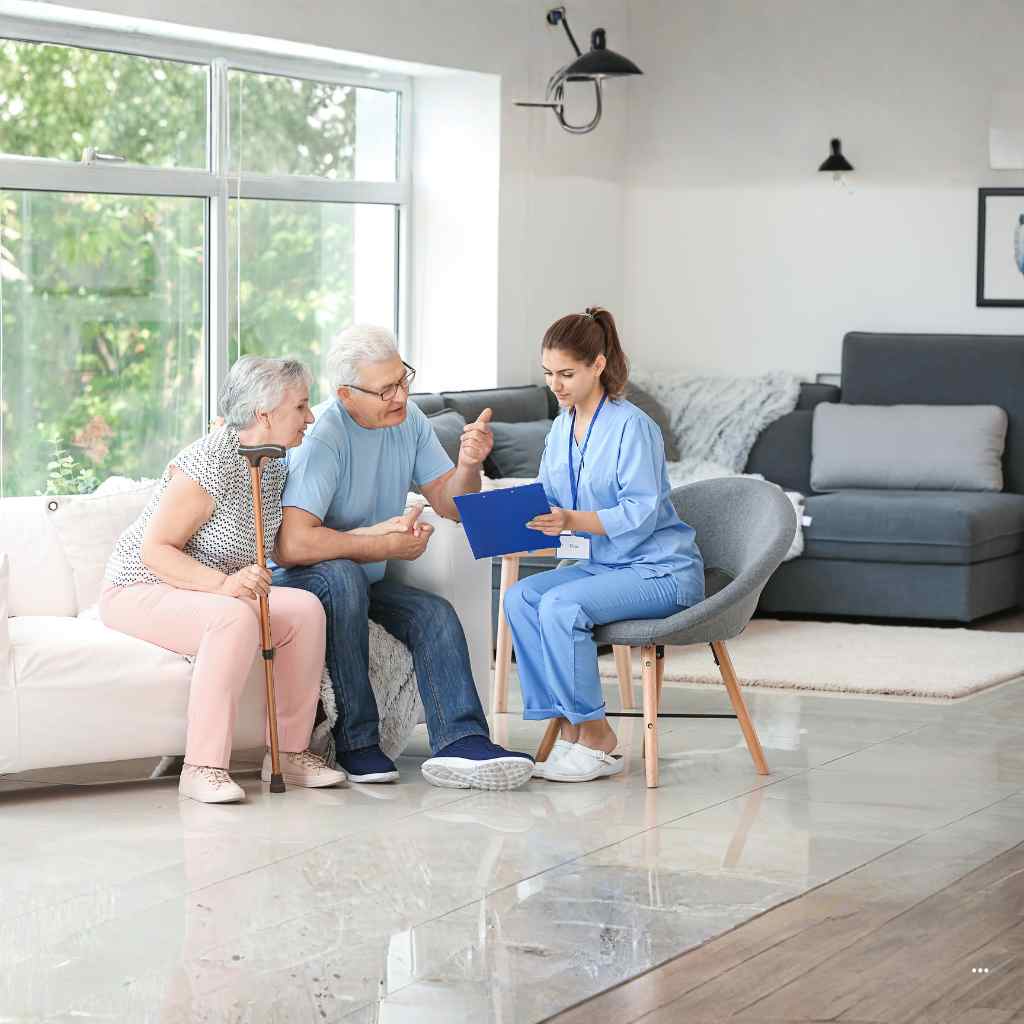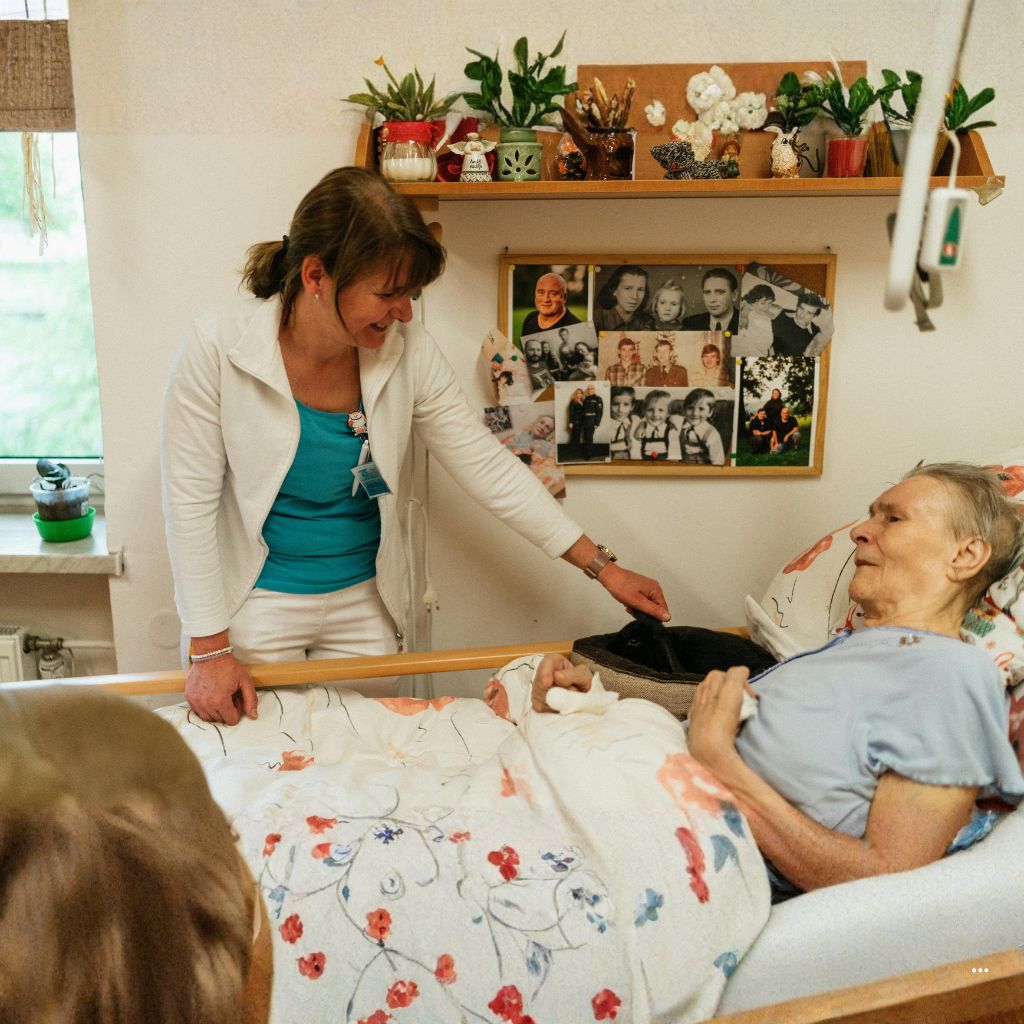
Many seniors in Edmonton want to remain independent and continue living in their own homes. That independence is valuable. But safety must grow with it.
Falls often happen during normal daily routines. Walking to the bathroom. Reaching for something on a shelf. Getting out of bed at night. In fact, studies show that one in three adults over 65 experiences a fall each year. Most of these falls happen at home, not outside.
Using a senior fall prevention home checklist helps families identify hidden hazards early. Small changes today can prevent serious injuries tomorrow.
Key Takeaways
- Falls often result from small, preventable home hazards.
- Bathrooms, stairs, and nighttime pathways are higher-risk areas.
- Lighting, mobility aids, and medication reviews reduce risk significantly.
- Regular fall risk assessments improve long-term safety.
- Edmonton families have access to local in-home safety support options.
Tip: “Place a stable chair or support surface near the bed and bathroom path. Having a steady handhold reduces nighttime balance loss.”
Understanding Fall Risk Assessment Seniors Should Review
Common Causes of Falls at Home
Most falls are not dramatic accidents. They happen during routine activities.
Common causes include:
- Loose rugs
- Poor lighting
- Slippery bathroom floors
- Cluttered walkways
- Uneven steps
A proper fall risk assessment seniors should review looks at these everyday risks. Many homes feel safe because we are used to them. But small hazards often go unnoticed.
Research shows falls are one of the leading causes of injury among older adults. That is why reviewing risks regularly helps reduce fall risk elderly individuals face.
How Mobility Changes Increase Risk
Balance problems in seniors can develop gradually. A slight shuffle while walking or slower reaction time may not seem serious.
But mobility changes are major fall risk factors older adults experience. Even mild instability increases risk when combined with stairs or slippery floors.
Planning for safety supports independence and safety planning rather than limiting freedom.
Home Safety Tips Elderly Families Often Overlook
Hidden Tripping Hazards
Many hazards blend into daily life:
- Electrical cords
- Small rugs
- Shoes left near entryways
- Narrow furniture spacing
Simple tripping hazards removal can significantly improve safety. Clear, open walkways reduce unexpected obstacles.
These practical home safety tips elderly families apply often require little cost but make a meaningful difference.
Lighting and Visibility Improvements
Vision naturally changes with age. Reduced contrast sensitivity means shadows can look like steps or objects.
Improving proper lighting for seniors is one of the most effective upgrades. Add bright bulbs in hallways and nightlights near bathrooms.
Non-slip flooring solutions and clutter-free living space seniors benefit from are also part of strong senior home hazard prevention.
Bathroom Safety for Seniors and Stair Risk Prevention
Bathrooms are one of the most common areas for falls. Water, tile surfaces, and limited support combine to increase slipping risk.
Installing grab bars and non-slip mats supports bathroom safety for seniors. These small modifications are often more effective than larger renovations.
Stairs are another concern. Even one misstep can cause serious injury. Improving stair safety for elderly adults may include secure handrails and improved lighting.
Data consistently shows bathrooms and stairs are frequent fall locations. That is why preventing falls at home seniors experience often begins in these spaces.
Nighttime Safety and Mobility Safety Elderly Adults Need
Why Falls Increase After Dark
Falls are more common at night. Fatigue reduces alertness. Lighting is lower. Reflexes slow down.
This combination makes nighttime fall prevention especially important. Addressing mobility safety elderly adults need after dark can significantly lower risk.
Safe Footwear and Clear Pathways
Simple adjustments matter:
- Wear supportive, non-slip shoes
- Keep pathways clear
- Avoid rushing during nighttime bathroom trips
- Check mobility aids safety regularly
Safe footwear elderly individuals use improves stability. Clear pathways reduce hesitation and confusion.
Nighttime risk is not unavoidable. It can be reduced with planning.
Medication and Health Factors That Increase Fall Risk
Certain medications can cause dizziness or blood pressure changes. This may lead to sudden balance loss.
Reviewing prescriptions regularly helps reduce fall risk elderly individuals may face. If a senior experiences unexplained dizziness, medication side effects falls may be contributing.
Health changes like dehydration or infections can also impact balance instability seniors experience.
Fall risk should be reassessed after illness, medication changes, or noticeable mobility decline.
When to Consider Personal Care Support for Fall Prevention
Sometimes supervision becomes preventive rather than reactive. If near-falls increase or mobility declines, additional support may be appropriate.
For families reviewing a senior fall prevention home checklist, professional guidance can help identify overlooked risks.
In Edmonton, in-home support options are available for seniors living alone. If you are exploring added assistance, you can learn more about Personal Care support.
Our Services offers support designed to improve living alone safety seniors need while maintaining dignity.
What Should Be Included in a Senior Fall Prevention Home Checklist?
A clear checklist makes action easier. Here is a simple structure:
Entryways and Hallways
- Remove loose rugs
- Improve lighting
- Clear clutter
Bathroom
- Install grab bars
- Use non-slip mats
- Ensure easy access to toilet and shower
Bedroom
- Add bedside lighting
- Keep a stable support surface nearby
- Ensure mobility aids are within reach
Stairs
- Secure handrails
- Improve visibility
- Remove obstacles
Using a senior fall prevention home checklist regularly allows families to spot risks before injuries occur.
Conclusion
Falls are rarely caused by one major hazard. They usually result from small risks building over time.
Using a senior fall prevention home checklist allows Edmonton families to take simple, preventive steps before accidents happen. Safety improvements do not reduce independence. They protect it.
By reviewing hazards, improving lighting, addressing medication risks, and considering structured support when needed, seniors can continue living safely at home with confidence.
For families who need professional in-home support and safety guidance, services from Truly HomeCare Services can help seniors maintain independence while staying safe at home.
FAQs
How often should I update a senior fall prevention checklist?
It is recommended to review the checklist every 6 to 12 months, or sooner if there are changes in mobility, health, or medication.
Are falls more dangerous for seniors than for younger adults?
Yes. Seniors are more likely to experience fractures or head injuries from falls due to reduced bone density and slower recovery.
Can exercise help lower fall risk for seniors living alone?
Yes. Balance and strength exercises can improve stability and reduce the likelihood of falling when done consistently and safely.
Should seniors use emergency alert systems if they live alone?
Emergency response systems can provide quick access to help after a fall, especially for seniors without regular supervision.
What signs indicate a home may no longer be safe for independent living?
Frequent near-falls, increasing confusion, difficulty using stairs, or repeated injuries may suggest that additional support is needed.
Are there Edmonton community programs that help seniors with home modifications?
Yes. Some local programs and senior-focused services in Edmonton provide guidance or assistance for safety upgrades and fall prevention improvements.