
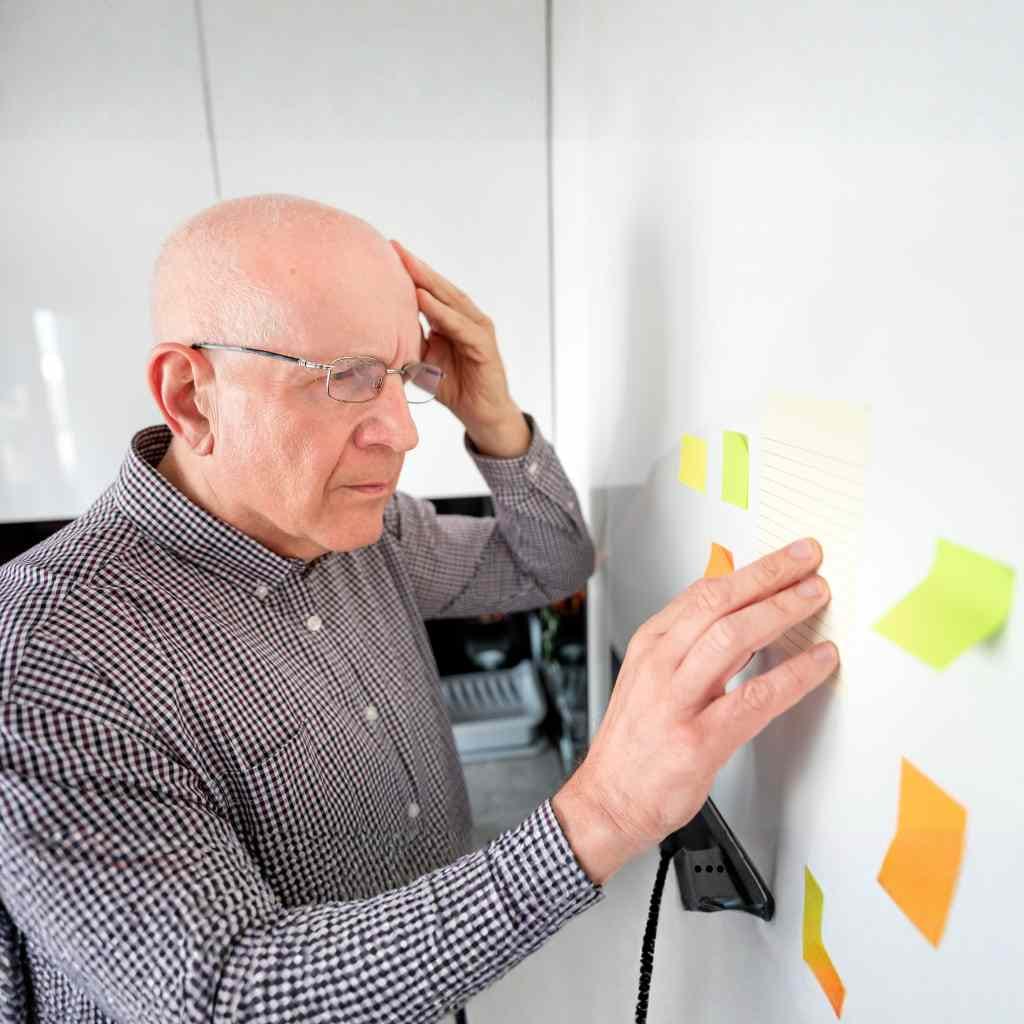
Caring for a senior with Alzheimer’s at home can feel overwhelming because everyday spaces can quickly become risky.
A loved one may leave the stove on, forget a door is unlocked, trip in the hallway, take medication twice, or become confused in a familiar room. These moments are stressful, but they are also signals that the home may need small safety changes.
A good Alzheimer’s home safety plan does not mean removing all independence. It means reducing daily risks while keeping the home familiar, calm, and respectful.
Key Takeaways
- Alzheimer’s can affect memory, judgment, orientation, and safety.
- Home safety should start with the highest-risk areas first.
- Simple changes can reduce falls, wandering, kitchen risks, and medication mistakes.
- Memory support routines can reduce confusion and caregiver stress.
- Edmonton families should review safety needs regularly as Alzheimer’s progresses.
Tip: Start with one safety zone each week, such as exits, bathroom, or kitchen, so changes feel manageable and your loved one stays less overwhelmed.
Why Home Safety Matters for Alzheimer’s
Alzheimer’s can affect more than memory. It can affect judgment, problem-solving, awareness, balance, and the ability to recognize danger.
That is why normal home activities may become risky over time. Cooking, bathing, walking at night, taking medication, or opening the front door may need more supervision than before.
The Alzheimer’s Association explains that people living with dementia may be more prone to safety hazards in certain areas of the home, including garages, work rooms, basements, and outdoor spaces where tools, chemicals, and cleaning supplies may be present.
A simple Alzheimer’s home safety review should focus first on the areas where harm can happen quickly: falls, wandering, medication, kitchen use, and emergency planning.
First Home Hazards to Remove
Families do not need to change the whole home in one day. Start with the hazards that are easiest to fix and most likely to cause harm.
Check for:
- Loose rugs or cords
- Cluttered hallways
- Poor lighting
- Sharp kitchen tools left out
- Unlocked medicines
- Cleaning products within reach
- Slippery bathroom surfaces
- Furniture that blocks walking paths
These changes may seem small, but they reduce daily confusion and movement risks. For example, a hallway with fewer objects is easier to navigate. A locked medicine box lowers the chance of missed or double doses. Better lighting can help reduce night-time falls.
The goal is not to make the home feel strict. The goal is to create a secure living space that still feels familiar.
Senior Home Modifications for Safer Daily Living
Senior home modifications do not always need to be expensive. Many helpful changes are simple and practical.
Bathroom and Bedroom Safety
Bathrooms are high-risk areas because of water, privacy needs, and slippery surfaces.
Helpful changes may include grab bars, non-slip mats, shower chairs, raised toilet seats, night lights, and easy-to-reach towels. In the bedroom, keep floors clear and place essentials like glasses, water, and a phone within reach.
Kitchen and Appliance Safety
Kitchen safety matters because Alzheimer’s can affect judgment and attention.
Families may need to remove sharp tools from open counters, lock cleaning supplies, use appliance shut-off devices, or supervise cooking. Some seniors can still help with simple tasks, such as washing vegetables or setting the table, while higher-risk tasks are managed by a caregiver.
Lighting, Labels, and Clear Pathways
Clear labels can help reduce confusion. Simple labels on drawers, bathroom doors, or bedroom items may make routines easier.
Good lighting also supports fall risk prevention. Use night lights in hallways, bathrooms, and near stairs so the person is not walking in the dark.
Wandering Prevention and a Secure Living Space
Wandering is one of the biggest fears for families caring for someone with Alzheimer’s.
It may happen because the person is confused, restless, searching for something familiar, trying to follow an old routine, or believing they need to go somewhere.
The Alzheimer’s Association says 6 in 10 people living with dementia will wander at least once, and many wander repeatedly. In simple language, wandering is common enough that families should plan for it before it happens.
Why Wandering Happens
A senior may leave because they think they need to go to work, pick up a child, visit someone, or return to a previous home.
Arguing may increase stress. Calm redirection, reassurance, and routine often work better.
Practical Exit Safety Steps
A strong Alzheimer’s home safety plan should include exit safety. Families can consider door alerts, ID bracelets, secured gates, motion sensors, safe outdoor supervision, and keeping a recent photo available.
The National Institute on Aging also recommends steps such as keeping doors locked, using signs on doors, and installing door alarms or smart doorbells to help reduce wandering risk.
Memory Support Routines That Reduce Confusion
Memory support routines help make the day more predictable.
Alzheimer’s may make it harder for a person to remember what comes next, where items belong, or whether a task has already been done. A routine reduces decision stress.
Helpful routines include:
- Same wake-up and bedtime schedule
- Regular meal times
- Visible calendar
- Simple labels
- Familiar objects in the same place
- Calm reminders
- Repeated daily patterns
These routines do not stop Alzheimer’s. But they can reduce confusion, frustration, and repeated questions.
For caregivers, routines also create structure. When the day has a pattern, it becomes easier to notice changes in sleep, appetite, mood, wandering, or safety.
Medication Management and Daily Supervision
Medication mistakes can happen easily when memory changes progress.
A senior may forget a dose, take it twice, mix bottles, or take medicine at the wrong time. This is why medication management should be handled carefully.
Helpful steps include pill organizers, written schedules, locked medication storage, phone reminders, caregiver checks, and regular pharmacy reviews.
Families should not change or stop medication without speaking to a doctor or pharmacist. If confusion, dizziness, sleepiness, or falls appear after a medication change, it should be reviewed.
Daily supervision may also be needed for meals, hydration, personal care, walking, and night-time routines. Supervision does not have to feel controlling. It can be built into normal care, such as checking in during meals or helping with the bedtime routine.
Emergency Preparedness for Alzheimer’s Care
Emergency preparedness helps families respond faster when something happens.
This is especially important for wandering, falls, sudden confusion, medication mistakes, or medical changes.
Keep one folder or note ready with:
- Recent photo
- Emergency contacts
- Medication list
- Allergies
- Doctor and pharmacy details
- Diagnosis notes
- Known wandering patterns
- Preferred calming strategies
This information can help family members, neighbours, emergency responders, or healthcare providers respond with less confusion.
A plan also lowers panic. When everyone knows what to do, it becomes easier to act calmly.
When Edmonton Families Need Alzheimer Care Support
Home care can help before a crisis happens.
Edmonton families may consider support when supervision, personal care, medication reminders, wandering prevention, mobility help, or caregiver stress becomes harder to manage alone.
MyHealth Alberta notes that home care is available to Albertans to help loved ones stay safe and independent at home for as long as possible. It also reminds caregivers to schedule breaks and ask family or community supports for help as dementia care needs increase.
Families exploring Alzheimer Care can use support for routines, safety checks, companionship, personal care, medication reminders, and family updates. Truly HomeCare Services is one Edmonton option families may consider when Alzheimer’s home safety needs are becoming harder to manage alone.
Conclusion
Keeping a senior with Alzheimer’s safe at home is not a one-time task. Safety needs can change as memory, judgment, mobility, and wandering risks change.
Start small. Review one area at a time, create simple routines, secure risky items, prepare for emergencies, and ask for help before daily risks become harder to manage.
A thoughtful Alzheimer’s home safety plan can help Edmonton families reduce danger while keeping home life calm, familiar, and respectful.
FAQs
Can Door Alarms Help With Wandering?
Yes, door alarms can help families notice when a senior opens an outside door, especially at night or during busy moments. They work best when combined with routines, supervision, ID support, and calm redirection.
Should A Senior With Alzheimer’s Be Left Alone At Home?
It depends on the stage of Alzheimer’s, judgment, mobility, wandering risk, cooking safety, and medication safety. If there are repeated safety concerns, families should review supervision needs with a healthcare provider or care professional.
How Often Should Families Review Home Safety?
Families should review home safety whenever behaviour, mobility, memory, or daily routines change. A monthly check can also help catch new risks before they lead to falls, wandering, medication mistakes, or confusion.
What Should Families Do After A Wandering Incident?
After a wandering incident, write down when it happened, what may have triggered it, where the person went, and how they were found. Then update exit safety, supervision, ID support, and emergency contacts.
Can Labels And Signs Really Help Someone With Alzheimer’s?
Labels and signs may help some people, especially in earlier stages or when confusion is mild. Simple words, clear pictures, and familiar placement can support routines, but they should be adjusted if they cause frustration.
How Can Caregivers Reduce Stress While Managing Safety?
Caregivers can reduce stress by sharing tasks, using safety tools, keeping routines simple, and asking for help before exhaustion builds. Safety care is easier when one person is not carrying every responsibility alone.