
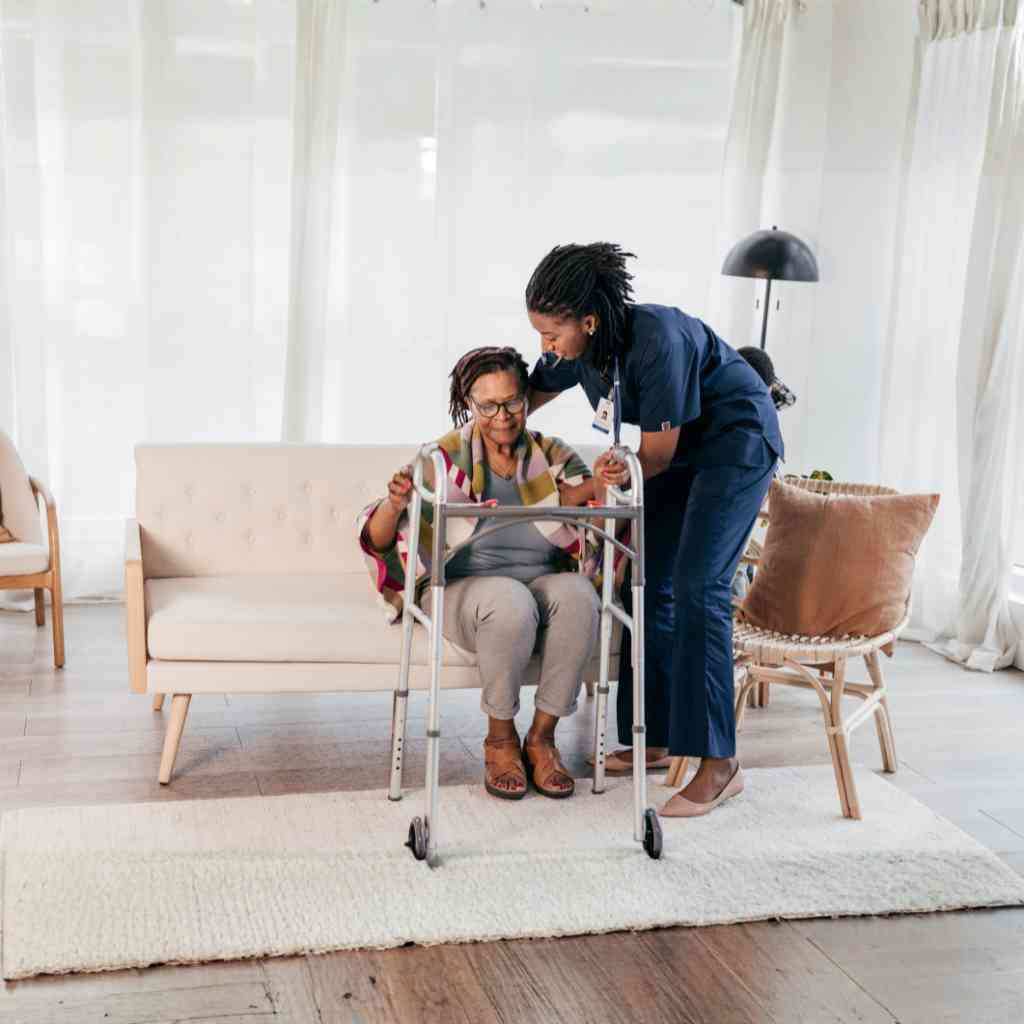
Disability can affect more than movement or physical comfort. Pain, reduced independence, difficulty leaving home, and needing help with personal tasks can also affect a senior’s mood, confidence, and sense of identity.
Mental health support for disabled seniors begins with noticing changes and making daily life feel respectful, predictable, and meaningful. Families do not need to act as therapists. Listening carefully, protecting personal choice, supporting social contact, and involving healthcare professionals when needed can all help.
Occasional frustration or sadness may happen during adjustment. However, persistent withdrawal, hopelessness, severe anxiety, or major changes in sleep, appetite, and self-care should not be dismissed as a normal part of ageing. CAMH confirms that depression is not a normal part of growing older and may be overlooked when its symptoms are mistaken for age-related changes.
Key Takeaways
- Watch for lasting changes in mood, sleep, appetite, communication, hygiene, and interest in usual activities.
- Include the senior in everyday decisions instead of taking over every manageable task.
- Use familiar routines while allowing flexibility for pain, fatigue, and changing abilities.
- Maintain social contact in ways that suit the senior’s mobility, communication, culture, and energy.
- Seek professional support when symptoms continue, worsen, affect daily life, or create safety concerns.
Tip: Keep a simple weekly mood note that records sleep, appetite, social interest, and unusual behaviour, then share lasting changes with the care team.
Why Can Emotional Health Change After Disability?
A disability may change how a senior moves, communicates, socializes, or completes personal tasks. Someone who once drove, prepared meals, or attended community activities may suddenly need regular assistance.
These changes can create grief, embarrassment, frustration, or fear about the future. Needing help with bathing or dressing may also affect privacy and personal dignity.
This does not mean the family is providing poor care. Emotional changes may be connected to pain, reduced control, changing family roles, or the loss of familiar routines.
Depression may appear as low energy, poor concentration, sleep or appetite changes, irritability, confusion, or loss of interest. It does not always appear as visible sadness or crying.
Recognizing Disability and Depression at Home
Providing mental health support for disabled seniors includes watching for changes that are new, persistent, worsening, or interfering with everyday life. Families should observe and report concerns rather than trying to diagnose depression themselves.
Emotional and Behavioural Changes
Watch for unusual anger, frequent worry, hopelessness, loss of interest, repeated requests for reassurance, or refusal of care that was previously accepted.
A senior may also stop answering calls, avoid visitors, or spend much more time alone.
Physical and Routine Changes
Emotional distress may appear through sleeping too much or too little, eating less, neglecting hygiene, missing medication, or no longer participating in familiar activities.
CAMH lists not getting dressed, losing interest in enjoyable activities, sleep changes, appetite changes, low energy, confusion, and concentration problems among possible signs of depression in older adults.
Immediate Safety Concerns
Take statements about suicide, self-harm, having no reason to live, or being a burden seriously.
Do not leave the person alone when there is an immediate safety risk. If you or your loved one needs immediate emotional support, contact a trusted healthcare provider, family doctor, mental health professional, or your nearest local crisis support service for guidance and assistance.
Daily Routines for Emotional Wellbeing for Seniors
A familiar routine can make the day feel safer and easier to understand. The goal is not to create a strict schedule. It is to provide predictable structure while respecting the senior’s preferences and changing energy.
Predictable Care With Flexible Timing
Try to keep waking, meals, medication, personal care, rest, and bedtime at generally familiar times.
Adjust the routine when pain, fatigue, appointments, or poor sleep make the normal schedule unrealistic.
Calm and Respectful Communication
Speak clearly and allow enough time for a response. Listen before immediately correcting or offering solutions.
A simple statement such as “That sounds difficult” may help the senior feel heard before practical options are discussed.
Small Choices Throughout the Day
Offer manageable choices about clothing, meals, bathing times, seating, visitors, or activities.
Small decisions can protect dignity when larger parts of life feel outside the senior’s control.
Confidence After Disability and Meaningful Independence
Confidence after disability often grows through safe participation, not through being pushed to complete every task alone.
Focus on what the senior can still do. A person may wash their face while receiving help with bathing, choose clothing while needing dressing assistance, or help plan meals even when they can no longer cook.
Allow enough time for manageable tasks. Taking over too quickly may unintentionally make the person feel incapable. At the same time, encouragement should never ignore pain, fatigue, fall risks, or other safety concerns.
Meaningful activities should reflect the person’s identity and interests. Prayer, audiobooks, family photographs, adapted gardening, crafts, music, or helping plan a family event may provide purpose without requiring full physical independence.
Social Connection for Seniors With Limited Mobility
Limited mobility can make social contact harder, especially when transportation, weather, pain, or inaccessible spaces prevent a senior from leaving home.
Social connection for seniors may include short family visits, regular phone calls, neighbour check-ins, faith or cultural connections, accessible programs, and caregiver-assisted video calls.
Do not force activities when the person refuses. Ask whether pain, fatigue, hearing difficulties, anxiety, embarrassment, or poor timing is making participation difficult.
A short conversation or shared meal may be more meaningful than a long activity the senior does not enjoy.
Caregiver Emotional Support Without Burnout
Caregiver emotional support includes listening and reassurance, but it does not mean one family member must solve every emotional problem alone.
Share updates with trusted relatives and assign clear responsibilities where possible. One person might manage appointments, another might arrange regular visits, and someone else might provide a planned break.
Caregivers should pay attention to persistent exhaustion, irritability, sleep problems, declining health, resentment, or difficulty managing work and family responsibilities.
These signs may mean that respite support, counselling, or more help from relatives is needed. Taking a planned break is not abandonment. It can help a caregiver return with greater patience and consistency.
Edmonton Mental Health and In-Home Disability Care
Mental health support for disabled seniors may include companionship and stable home routines, but non-medical home care does not replace diagnosis, counselling, medication management, or crisis treatment.
For concerns that are continuing but not immediately dangerous, families can begin with the senior’s family doctor or existing care team.
Families who need non-clinical help with mobility, personal hygiene, meal support, companionship, and daily activities can explore In-Home Disability Care in Edmonton. This type of support works alongside qualified medical and mental health services, not as a replacement for them.
Supporting Emotional Resilience in Seniors at Home
Mental health support for disabled seniors works best when families combine careful observation with respect, routine, meaningful choices, and regular social connection.
Notice lasting changes, record concerns, and seek professional advice early. Support the senior’s remaining abilities rather than focusing only on limitations, and make sure the family caregiver also receives practical and emotional help.
Families do not need to manage every concern alone. The right combination of home assistance, healthcare guidance, and community connection can help a senior feel safer, more involved, and better supported.
Frequently Asked Questions
Can Medication Side Effects Look Like Depression?
Yes. Medications, medicine combinations, or interactions with other substances may affect energy, sleep, concentration, alertness, and behaviour. Families should not stop or change medication themselves; a doctor or pharmacist should review new symptoms and recent medication changes.
Can Hearing or Vision Loss Affect Emotional Well-Being?
Yes. Difficulty hearing conversations or clearly seeing people and surroundings can make social participation harder. Health Canada links adult hearing loss with loneliness, social isolation, anxiety, and depression, so hearing aids and accessible communication may be important parts of support.
Is Virtual Counselling Suitable for a Homebound Senior?
It may be suitable when travelling is difficult. Alberta offers some mental health services through telephone, video, or messaging, although the best format depends on communication ability, privacy, technology access, clinical needs, and whether an in-person assessment is required.
What If a Senior Refuses Mental Health Help?
Avoid arguing or immediately attaching a diagnosis. Ask what worries the person about receiving help and offer a familiar first step, such as speaking with their family doctor. Urgent action is still necessary when there is an immediate risk of harm.
Can Edmonton Winters Affect a Senior’s Mood?
Cold weather, icy conditions, reduced daylight, and fewer outings may limit movement and social contact. Families can plan safe indoor activities, daytime light exposure, regular calls, and home visits while discussing persistent seasonal mood changes with a healthcare professional.
Should Family Members Attend Mental Health Appointments?
A trusted family member may help describe changes, remember instructions, and support follow-through when the senior agrees. The healthcare professional should still speak directly to the senior and respect their privacy, preferences, and ability to participate in decisions.