
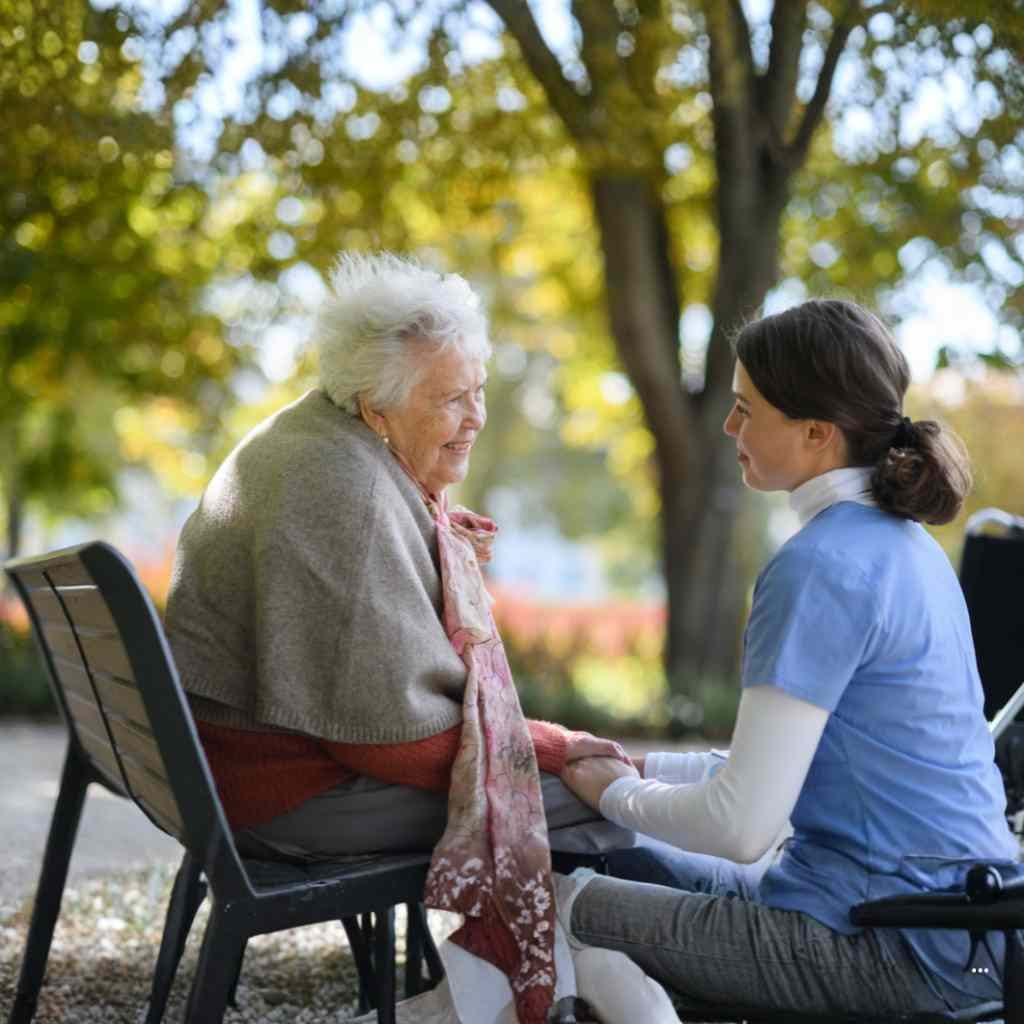
Supporting a loved one through a serious illness is one of the most emotional journeys a family can face. During this time, care is not only about managing symptoms but also about providing comfort, reassurance, and presence.
This is where Family Support During Palliative Care becomes essential. It helps families stay involved while maintaining balance in their own lives.
Understanding how to provide support while also receiving it can make a meaningful difference for both the patient and the family.
Key Takeaways
- Family involvement plays a key role in comfort and care.
- Emotional support is just as important as physical care.
- Caregiving stress builds gradually over time.
- Support systems help prevent burnout.
- Early guidance improves overall care quality.
Tip: If caregiving begins affecting your sleep or emotional balance, pause and share small tasks with others early instead of waiting until stress becomes overwhelming.
Understanding the Role of Family Support During Palliative Care
During palliative care, the family becomes a central part of the care system. While medical professionals manage treatment and symptoms, families provide emotional stability and daily comfort.
The family role in end of life care includes being present, offering reassurance, and helping maintain a sense of normal routine. Even small actions like sitting together, talking, or simply being there can make a big difference.
In many real-life situations, families notice that patients feel calmer when surrounded by familiar people. This emotional connection cannot be replaced by medical care alone.
It is important to understand that families are not expected to handle everything alone. Professional support works alongside family involvement to create a balanced care environment.
Emotional Support for Families in Care and Its Impact
Palliative care affects not only the patient but also the entire family. Emotions can change from day to day. One moment may feel manageable, while the next may feel overwhelming.
Providing emotional support for families in care is essential because caregivers often carry both responsibility and emotional attachment at the same time.
Studies suggest that caregivers who receive emotional support are better able to handle stress and provide consistent care. In simple terms, when caregivers feel supported, they can support others more effectively.
It is common for caregivers to feel guilt, sadness, or uncertainty. These feelings are normal and do not mean they are doing something wrong.
Daily Responsibilities and Caregiver Support During Palliative Care
Daily caregiving involves more than most people expect. Families often manage multiple responsibilities at once.
These may include:
- Assisting with meals and hydration
- Supporting hygiene and comfort
- Managing medications with guidance
- Providing emotional reassurance
Caregiver support during palliative care helps families handle these tasks without feeling overwhelmed.
In real-life caregiving, many families find it difficult to balance these responsibilities with their own daily routines. This is why support systems are important.
Having structured help allows families to focus more on meaningful moments rather than constant tasks.
Managing Stress and Coping Support for Family Caregivers
Caregiving stress often builds slowly. At first, it may feel manageable. Over time, it can lead to exhaustion.
Coping support for family caregivers becomes important when signs of burnout begin to appear.
These signs may include:
- Constant fatigue
- Irritability
- Difficulty sleeping
- Feeling emotionally drained
Research shows that long-term caregiving without breaks increases the risk of burnout. In simple terms, continuous stress reduces emotional strength over time.
Stress support for caregivers at home helps maintain balance and prevents long-term impact.
Recognizing Early Signs of Burnout
Identifying early signs allows caregivers to take action before stress becomes overwhelming.
Simple Ways to Manage Daily Stress
Small steps like sharing responsibilities or taking short breaks can improve emotional balance.
Helping Families Through Hard Times with Emotional Communication
Communication becomes more sensitive during palliative care. Families often worry about saying the wrong thing.
Helping families through hard times involves focusing on presence rather than perfect words.
Patients often respond better to:
- Calm conversations
- Listening without interruption
- Simple reassurance
In real-life situations, being present and attentive often provides more comfort than complex explanations.
This approach helps build emotional connection and trust during difficult moments.
Listening Without Pressure
Allowing space for emotions helps patients feel heard and supported.
Being Present Instead of Perfect
Support comes from presence, not perfect communication.
Family Guidance During Palliative Care and Available Support
Families often feel unsure about where to begin or what to do next.
Family guidance during palliative care helps provide clarity. This may include understanding routines, managing care tasks, and knowing when to seek help.
External support reduces workload and allows families to focus on emotional connection instead of constant caregiving.
This balance improves both care quality and family well-being.
Palliative Care Support Options for Families in Edmonton
Families in Edmonton have access to in-home care services that provide support during palliative care.
Many families prefer home-based care because it allows loved ones to stay in a familiar environment. This reduces stress and provides comfort.
When choosing support, families often look for:
- Trained caregivers.
- Clear communication.
- Flexible care options.
Truly HomeCare Services offers compassionate support tailored to family needs during this time.
When Should Families Seek Additional Support During Palliative Care?
Knowing when to ask for help is not always easy.
Support should be considered when:
- Caregiving affects your sleep
- Daily responsibilities become overwhelming
- Emotional stress continues to build
Many families delay seeking help, thinking they can manage everything. In reality, early support often prevents bigger challenges later.
Real-life patterns show that families usually reach out when both emotional and physical exhaustion begin to affect their routine.
Taking action earlier helps maintain balance and improves overall care.
Conclusion
Providing strong Family Support During Palliative Care helps maintain comfort, dignity, and emotional balance for both the patient and the family.
With the right guidance and support, families can navigate this journey with more clarity and less stress. Small steps taken early can create a more stable and supportive environment.
Families exploring care options can learn more about [PAGE] to better understand available support.
FAQs
How Can Families Stay Emotionally Strong During Long-Term Care?
Families can stay emotionally strong by taking regular breaks, sharing responsibilities, and staying connected with others. Emotional strength comes from balance, not constant pressure.
What Happens If Caregiving Becomes Too Stressful?
If caregiving becomes overwhelming, it is important to seek support early. Ignoring stress can lead to burnout, which affects both the caregiver and the quality of care.
Can Professional Support Improve Family Relationships During Care?
Yes, external support reduces pressure on family members, allowing them to focus more on emotional connection instead of only caregiving tasks.
How Do Families Balance Caregiving With Daily Life?
Balancing caregiving requires planning, support, and flexibility. Sharing tasks and setting realistic expectations helps manage both responsibilities effectively.
Is It Common For Caregivers To Feel Guilty During Palliative Care?
Yes, many caregivers experience guilt, especially when taking breaks or asking for help. This is a normal emotional response during caregiving.
What Small Steps Can Improve Daily Care Experience?
Simple actions like maintaining routines, communicating calmly, and creating a comfortable environment can improve daily care for both the patient and the caregiver.